

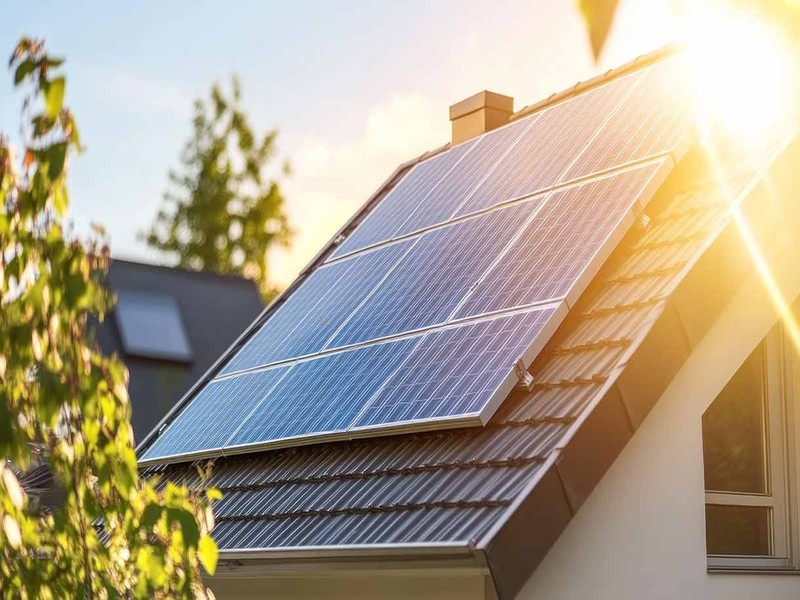
Preventive care in solar installation and maintenance plans plays a crucial role in ensuring the efficiency, safety, and longevity of solar energy systems. As solar technology becomes increasingly popular for residential and commercial use, it is essential to understand that proper upkeep goes beyond initial setup. Preventive measures help identify potential issues before they escalate into costly repairs or system failures. This proactive approach not only protects the investment but also maximizes energy production over time.
From the moment a solar system is installed, preventive care begins with thorough inspections and testing. These checks verify that all components are correctly connected and functioning as intended. Early detection of loose wiring, faulty panels, or inverter problems can prevent disruptions in power generation. Additionally, ensuring that mounting structures are secure reduces risks associated with weather damage or physical wear.
Regular cleaning is another vital aspect of preventive care because dirt, dust, bird droppings, and other debris can significantly reduce panel efficiency by blocking sunlight exposure. Depending on the location and environmental conditions, cleaning schedules may vary but should always be part of a comprehensive maintenance plan to maintain optimal performance levels.
Monitoring system output through software tools allows users to track energy production patterns continuously. Sudden mens beach robe drops in output may indicate underlying problems such as shading from new obstacles like growing trees or malfunctioning equipment requiring attention. By addressing these concerns promptly through scheduled maintenance visits or remote diagnostics offered by service providers, downtime can be minimized.
Moreover, periodic assessment of electrical connections ensures there are no signs of corrosion or wear that could pose fire hazards or cause power loss. Proper grounding checks also contribute to overall safety standards compliance while protecting against electrical surges during storms.
Incorporating manufacturer-recommended servicing intervals into maintenance plans guarantees adherence to warranty requirements and helps keep warranties valid throughout the lifespan of the solar array. Professional technicians possess specialized knowledge about different types of panels and inverters; their expertise ensures tailored care suited for specific installations rather than generic solutions.
Finally, educating users about basic troubleshooting techniques promotes quicker responses when minor issues arise between professional visits. Understanding how to recognize warning signs such as unusual noises from inverters or error messages displayed on monitoring systems empowers owners to seek timely assistance without delay.
In conclusion, preventive care within solar installation and maintenance strategies safeguards system reliability while enhancing performance efficiency over many years. It involves consistent inspections, cleaning routines, real-time monitoring applications alongside expert evaluations aimed at early problem identification before complications develop fully. Adopting these practices supports sustainable energy goals by maintaining uninterrupted clean power supply effectively throughout operational life cycles without unexpected interruptions caused by neglect or unforeseen damages occurring unnoticed until too late for simple fixes alone.